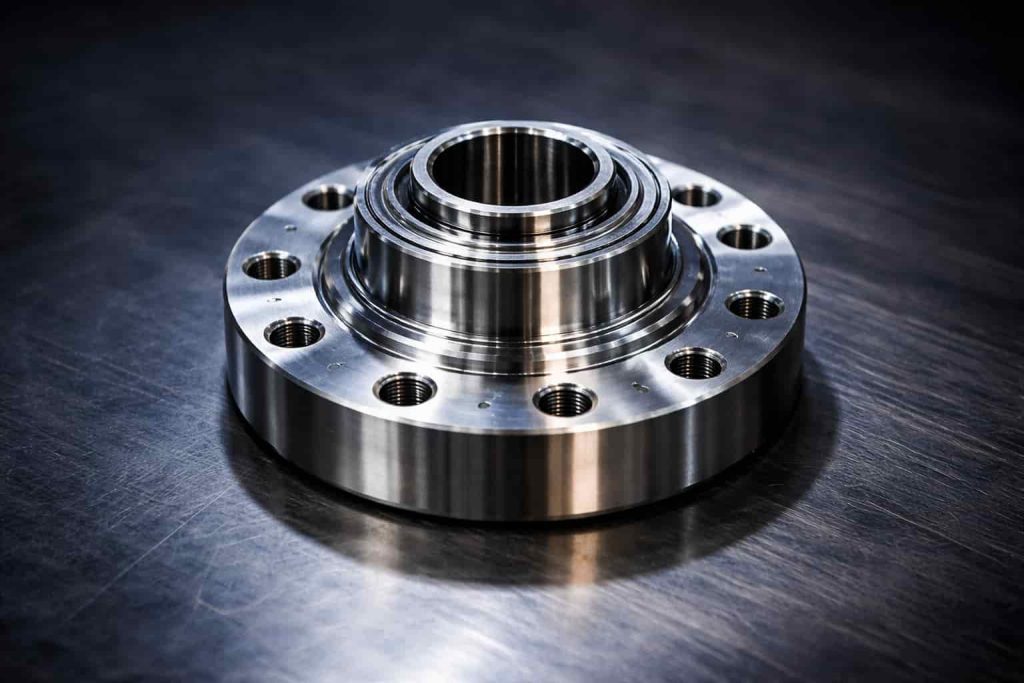
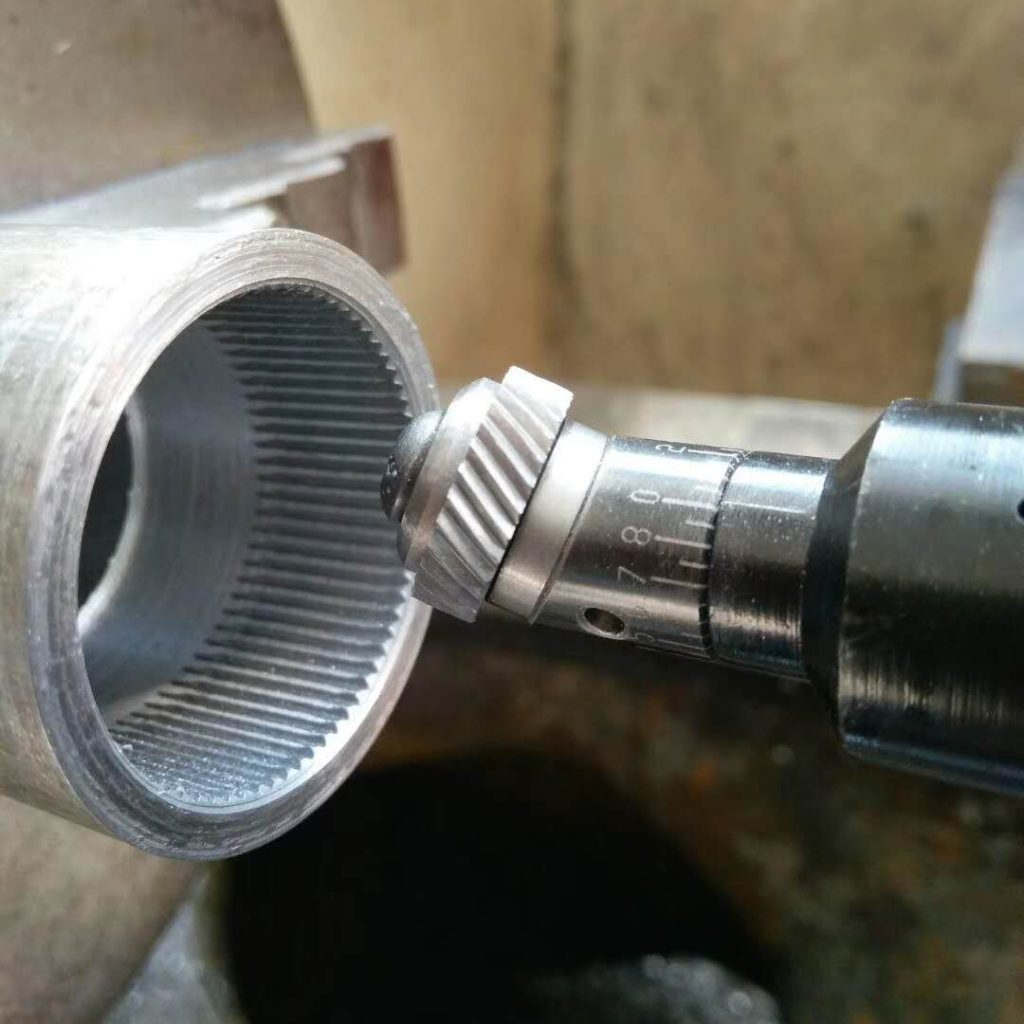
High-Precision CNC for Every Need — Custom, Scalable, Reliable.
NV Vision powers your innovation with high-precision CNC machining. Our 300+ machines and expert team deliver tight-tolerance parts from challenging materials — reliably, repeatedly, and at any scale. Whether it’s nickel alloys, stainless steel, or aluminum, we bring your toughest designs to life.
CNC Milling
High-precision milling for complex surface geometries and detailed features. Ideal for components like robotic arms, medical device housings, and machinery brackets, all machined to precise dimensions.
CNC Turning
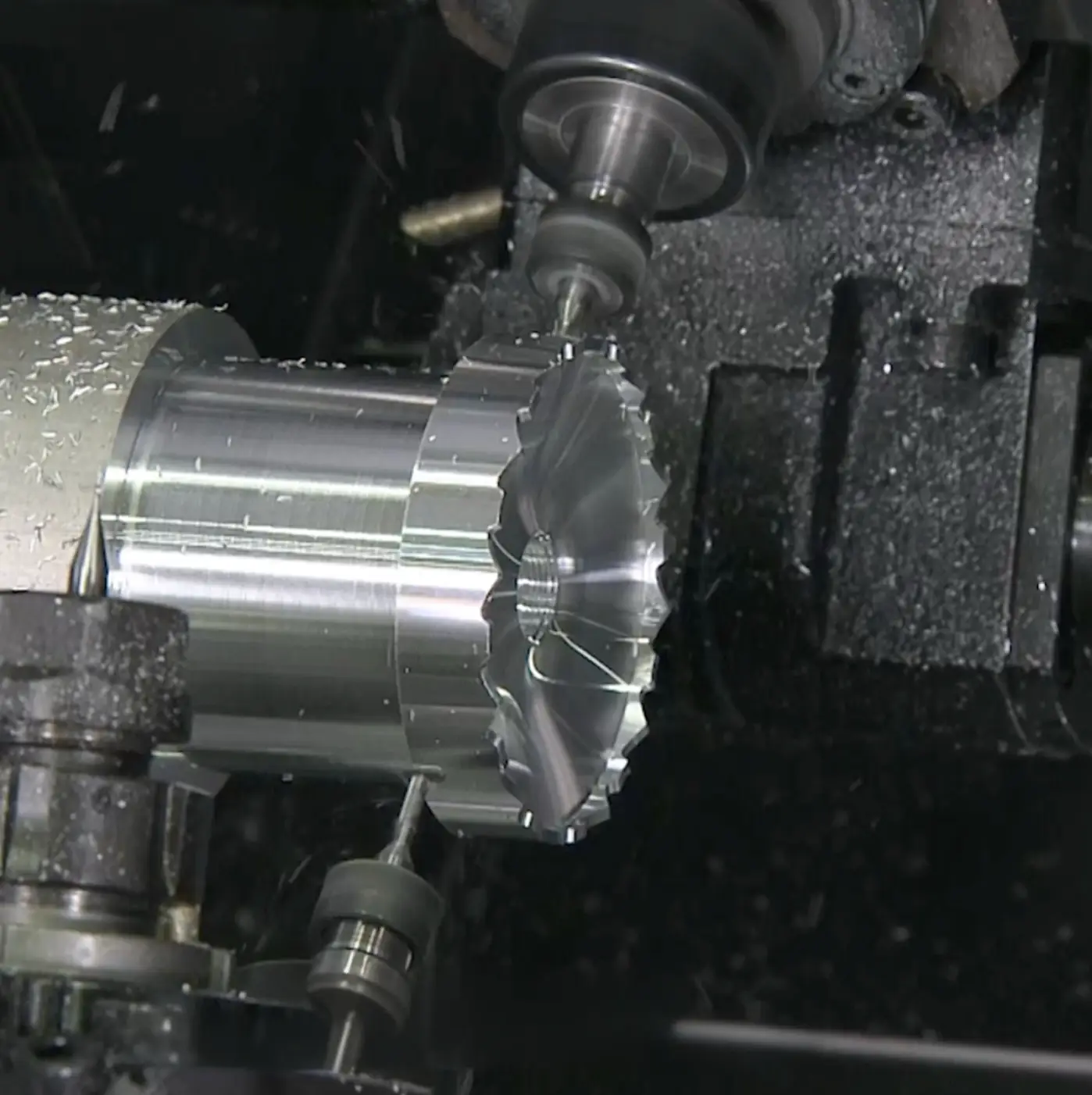
Efficient for cylindrical parts like surgical instruments, automotive shafts, and robotic joints. Delivers smooth finishes and rapid production for high-performance and symmetrical components.
Multi-Axis Machining
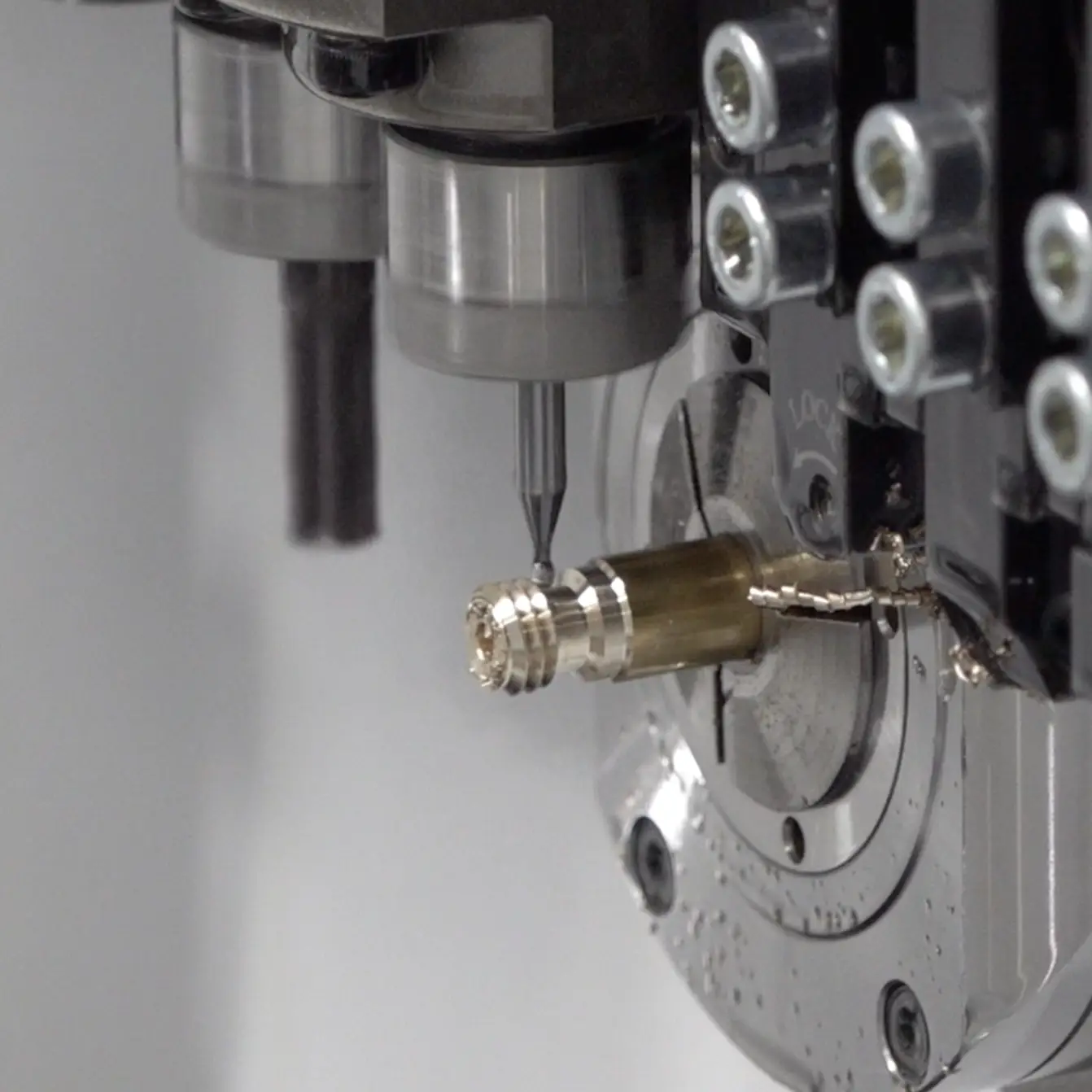
Our advanced Japan multi-axis Citizen Cincom and Miyano lathes integrate milling and turning to handle complex geometries with fewer setups. Ideal for prosthetic implants, automotive components, and precision machinery parts, produced to 0.005 mm (5 µm).
Technical Capabilities at a Glance
< Our advanced CNC fleet includes over 300 machines covering 3-, 4-, and 5-axis milling, high-speed turning, and multi-axis Swiss lathes.
< Below is a quick overview of our machining capabilities — from micro parts to large-scale components.
Specification
Axis Configuration
Function Description
Max Part Size
Tolerance
CNC Milling
3-Axis
Basic planar machining, suitable for XYZ directional milling.
1100*650*600 mm
±0.003
4-Axis
Adds A-axis rotation to enable side and helical surface machining.
1100*650*600 mm
±0.003
5-Axis
Adds B-axis or dual-axis head, ideal for complex contours and multi-angle hole machining.
Adds spindle indexing capability for basic milling and tapping operations.
Ø210 mm*220mm
±0.001
5-Axis
Supports turn-mill operations, eccentric machining, and angled cutting for complex geometries.
Ø210 mm*220mm
±0.001
CNC Machining Materials
Aluminum
Aluminum Alloy 5083
Aluminum Alloy 6060
Aluminum Alloy 6061
Aluminum Alloy 6082
Aluminum Alloy 7075
Stainless Steel
42CrMo4
Cr12
SUS 303
SUS 304
SUS 316L
17-4PH2205
Copper & Titanium
H62
H69
H56
H96
Beryllium Copper
Alloy Steel
Alloy Steel 4140
Alloy Steel 4340
Alloy Steel 1215
Alloy Steel 8620
Alloy Steel 4130
Alloy Steel 6150
Chromium-Nickel Alloys
Inconel 718
Inconel 625
Hastelloy C-22
Monel 400
17-4PH
Plastics
POM
PTFE
ABS
PA
PC
PEEK
PEI
CNC Machining Surface Finish Capabilities
Anodizing
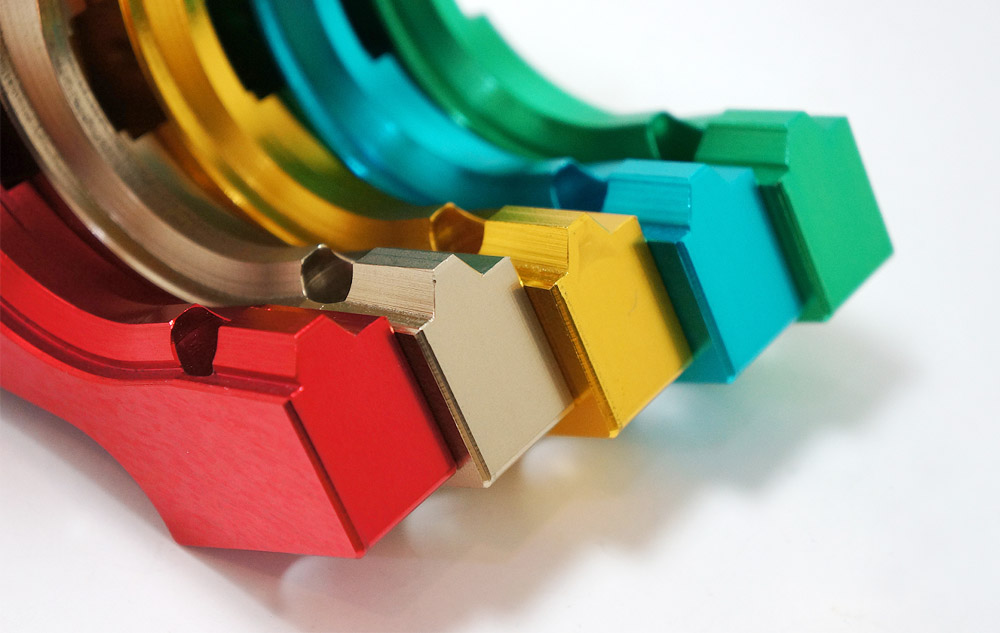
Type II anodizing improves corrosion resistance and serves as a base for paint and other finishes. Results may vary by material.
• Dyeing available to modify surface color
• Type II coatings are less wear-resistant and may fade under UV exposure
• Custom colors available (RAL chart supported)
Passivation
Passivation is a chemical process that removes free iron from stainless steel surfaces to enhance corrosion resistance without altering appearance.
• Commonly used for stainless steel, especially in medical and food-grade parts
• No coating added; surface remains clear and metallic
• Improves stability of the protective oxide layer
Bead Blasting
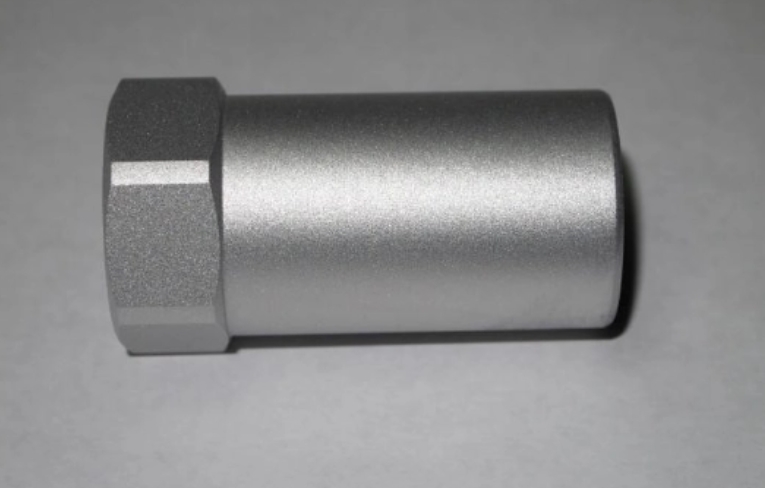
Bead blasting uses high-pressure abrasive media (e.g. glass beads) to remove small burrs and create a uniform matte finish.
• Often paired with anodizing to enhance surface texture
• Does not alter part dimensions; ideal for appearance-critical components
• Matte effect may vary slightly by material type
Polishing
Polishing improves surface smoothness through mechanical abrasion, commonly used for decorative or high-tolerance parts.
• Capable of achieving mirror or semi-gloss finishes
• Not suitable for all geometries (e.g. narrow or deep holes)
• Compatible with stainless steel, copper, aluminum, and other metals
Turning Finish
Turning naturally produces concentric tool marks with high dimensional accuracy and a clean mechanical appearance, suitable for industrial parts without additional finishing.
• Directional texture based on tool path
• Surface roughness typically Ra 0.4–1.6 µm
• Can serve as a final finish or pre-treatment for further processing
Knurling
Knurling forms regular diamond or straight patterns by pressing, enhancing grip—commonly used for handles, knobs, and fasteners.
• Suitable for cylindrical metal parts
• Improves slip resistance and prevents loosening
• Pattern depth and style can be customized
Black Oxide
Black oxide is a chemical conversion coating applied to steel to improve corrosion resistance and create a uniform black appearance.
• Commonly used for tools, fasteners, and industrial parts
• Adds minimal thickness; does not affect dimensional fit
• Typically paired with oil to enhance rust protection
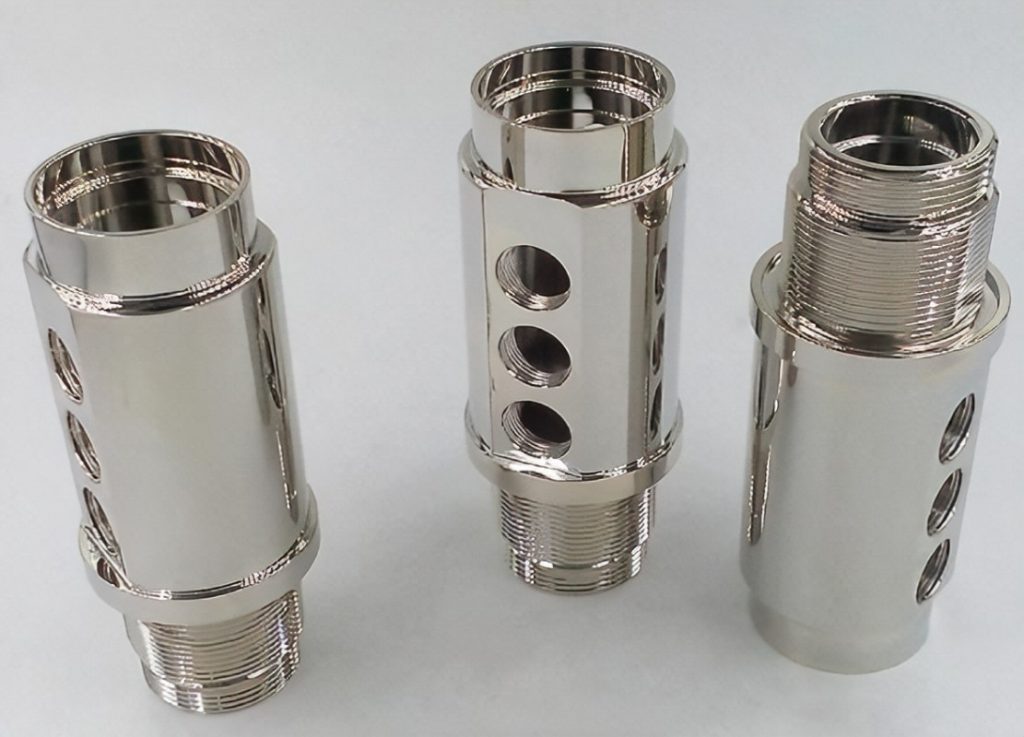
Nickel Plating
Nickel plating forms a uniform, dense nickel layer on metal surfaces to enhance wear resistance, corrosion protection, and conductivity—commonly used in electronic, electrical, and mechanical components.
• Available as electroless or electrolytic nickel plating
• Provides either bright or matte finishes
• Suitable for copper, steel, and stainless steel parts
Capabilities & Applications
Medical & Healthcare
Custom surgical tools, prosthetics, and medical devices to drive healthcare innovation, with tolerances down to ±5µm for delicate applications.
Robotics & Automation
Precision parts for robotic arms, actuators, and automated machinery, enabling efficient, smooth movement.
Automotive
High-precision components for engines, transmissions, EVs, and automotive innovations, ensuring tight tolerances.
Aerospace & Defense
Complex parts for aircraft, drones, satellites, and defense systems, built for extreme reliability.
Our CNC Machining Process
A Step-by-Step Guide to Precision Manufacturing
To ensure precision and consistency, we follow a carefully structured CNC machining process:
Our engineers start by creating a detailed CAD model of the part, capturing all necessary specifications, including dimensions, tolerances, and material properties.
The CAD model is then converted into a CNc program(G code),which controls the movements and operations of our machines, ensuring accurate execution of the design.
Once set up, our advanced CNC machines—such as 5-axis machining centers—carry out the material removal process with minimal supervision, shaping the raw material into the final component with precision.
After machining, all parts undergo rigorous inspection to ensure they meet the required tolerances and quality standards. We use advanced measurement techniques to ensure dimensional accuracy and compliance with specifications.
Bring your ideas to life — faster, smarter, together.